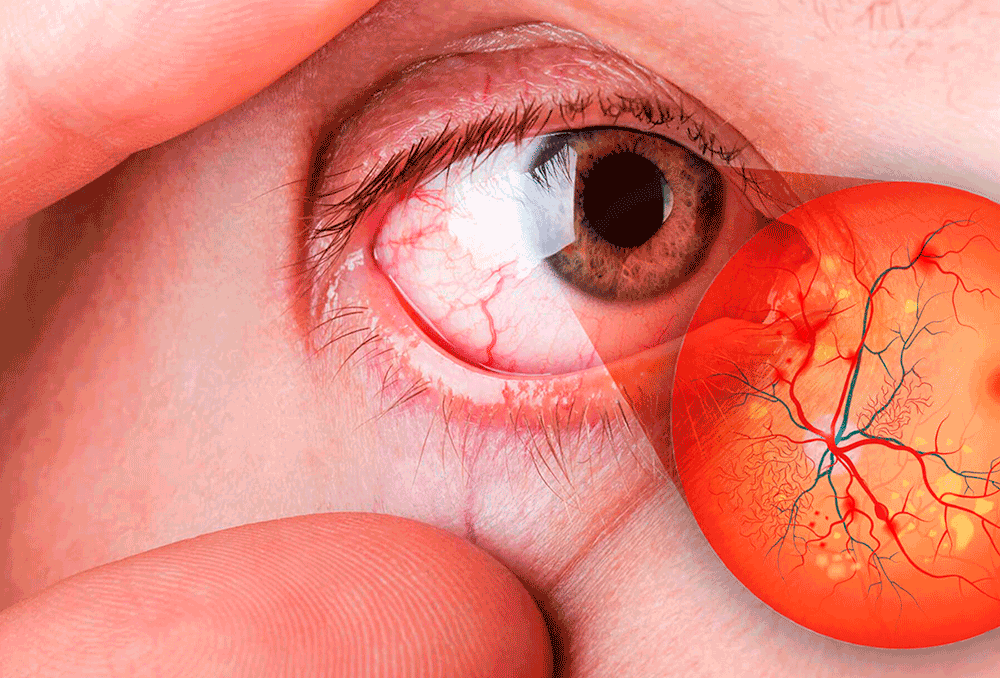
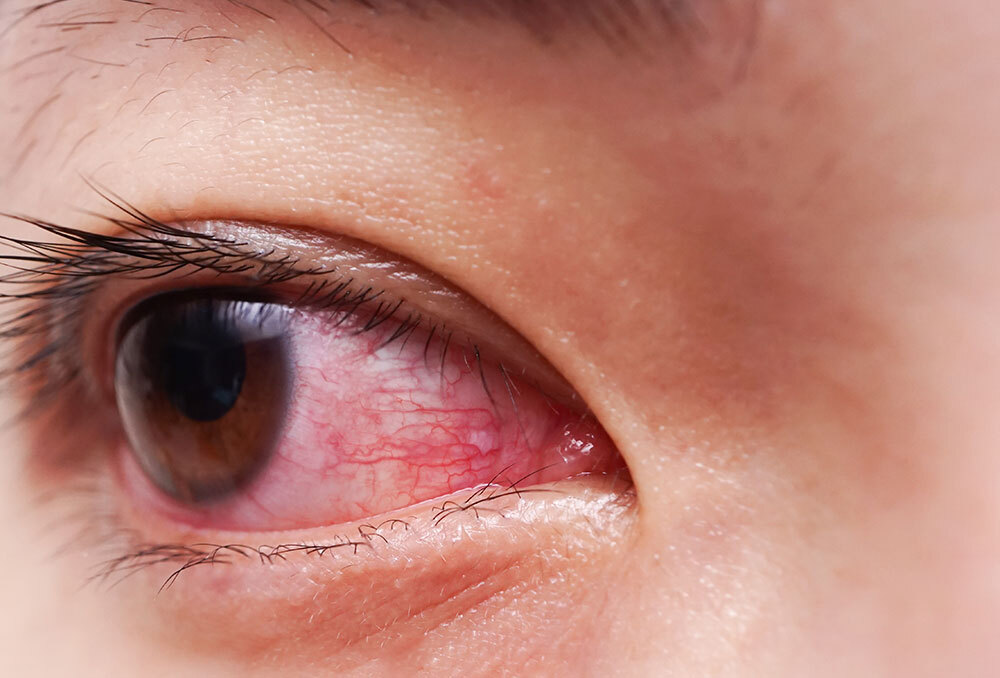
Conjunctivitis is an inflammation or infection of the conjunctiva which can be caused by bacteria, viruses, chemical aggressions or drug reactions.
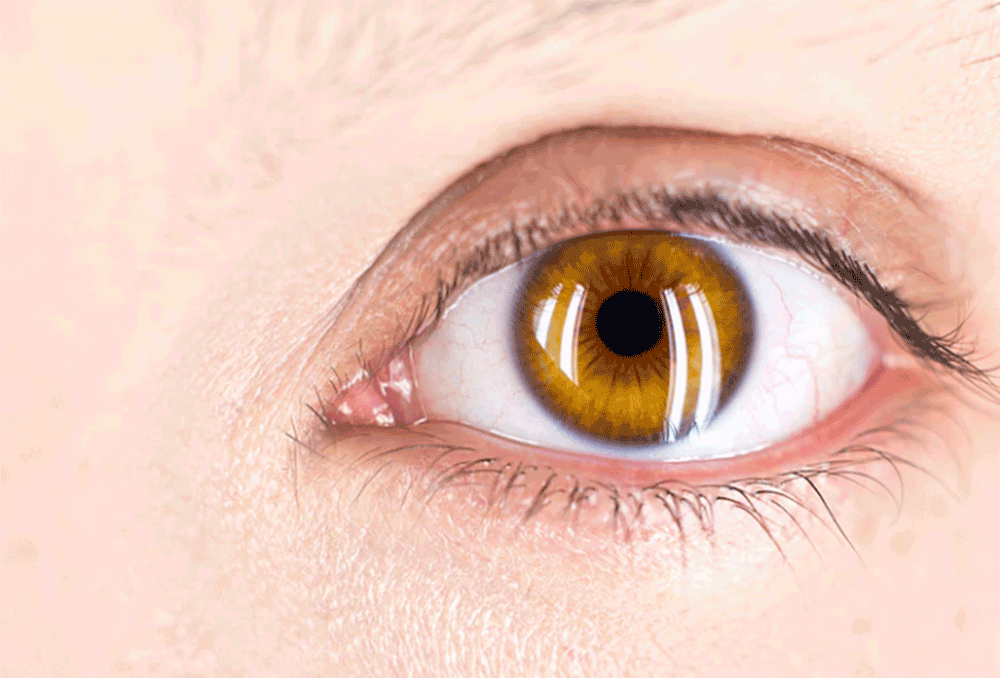
The conjunctiva is a thin, transparent membrane that lines the inner surface of the eyelids (palpebral conjunctiva) and the anterior scleral surface, i.e. the white part of the eyeball (bulbar conjunctiva). Its function is to protect our eyes from external agents and to lubricate the surface of the eye.
Types of Conjunctivitis
Conjunctivitis can be allergic, bacterial, viral, or fungal, according to the causative microbial agent.
Viral or bacterial conjunctivitis is the result of an infection and is therefore very contagious.
Generally, viral conjunctivitis is caused by adenovirus and can, in some situations, be associated with a clinical picture with the presence of fever, sore throat and discomfort. The secretion produced in the eyes is whitish and has a small quantity. In bacterial conjunctivitis, on the other hand, caused by numerous bacteria such as Staphylococcus aureus, the secretion produced is yellowish, purulent and in larger quantities.
Allergic conjunctivitis is caused by contact with allergenic agents, such as pollen, animal hair, cleaning products, among others. Allergic conjunctivitis is not contagious and the secretion produced has a watery consistency.
The classification may still vary according to the criteria used:
- Acute, subacute and chronic, according to the way they start and develop over time;
- Serous, mucous, purulent and psedomembranous, according to the type of secretion produced;
- Follicular, papillary, flictenular or giant papillary, according to the structural alterations of the mucosa or the tissue reaction produced;