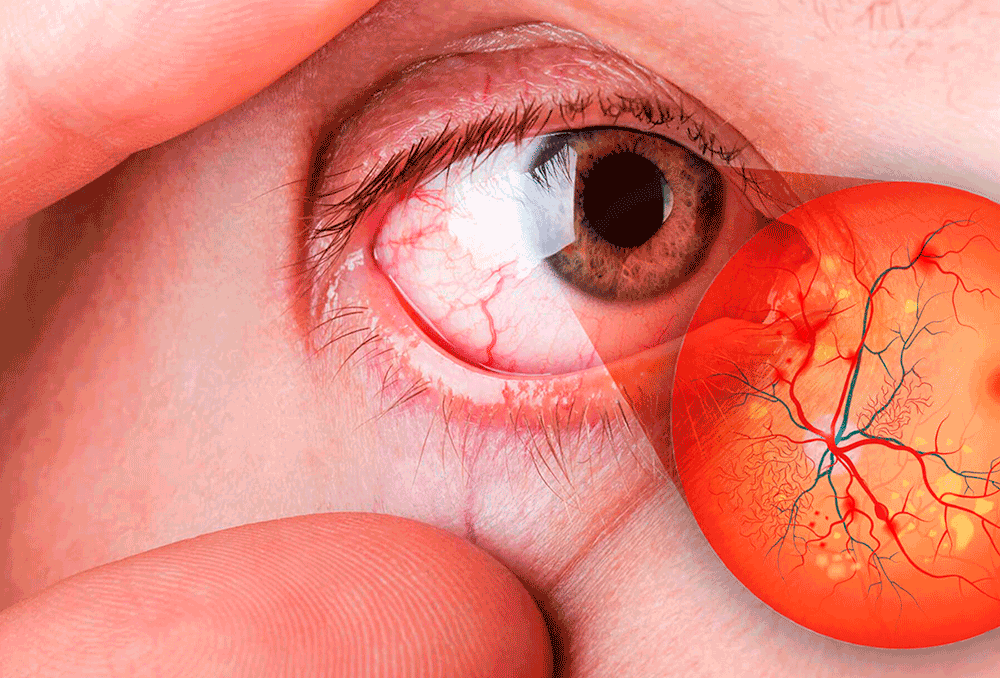
A Blefarite é uma inflamação das pálpebras. Trata-se de uma doença que pode surgir em qualquer idade e que pode afetar a pálpebra superior e/ou inferior. Apresenta-se com uma descamação palpebral, junto às pestanas, olhos vermelhos, prurido (comichão) e ardor.

Blepharitis is an inflammation of the eyelids.

This is a disease that can appear at any age and can affect the upper and/or lower eyelid. It presents with eyelid flaking, near the eyelashes, red eyes, itching and burning.

One of the causes of chronic blepharitis is an increase in the sebaceous secretion of the eyelids, with a colonisation of bacteria in this area. This increase occurs due to changes in the meibomius glands (small glands located in the eyelids and secreting the lipid part of the tear film) at the base of the eyelashes, whose secretion is retained, causing irritation and redness. It has various causes and is generally chronic, with periods of remission. In advanced cases, it is common to see changes in the structures of the eyelids, due to the scars that form over the years, and there may be changes in the position of the eyelashes (dystikiasis and trichiasis).

Symptoms of Blepharitis

  • Tearful eyes
  • Redness and swelling of the eyelid border
  • Itching, burning and stinging sensation
  • Oily eyelids
  • Flaking with the appearance of dandruff
  • Glued eyelashes
  • Sensitivity to light

Causes of Blepharitis

The origin of blepharitis is mostly uncertain. It can be associated with some situations such as:

  • Seborrheic dermatitis
  • Infections following gland malfunctions
  • Rosacea (red skin disease of the face with possible serious ocular complications which may manifest as blepharitis of unknown cause)
  • Allergies related to reactions to medication, contact lens solutions, make-up
  • Dry eye

Blepharitis can cause:

  • Falling eyelashes;
  • The eyelashes grow in the wrong direction (dystikiasis) and sometimes lose their colour;
  • Eyelid scars, in very drawn-out situations;
  • Excess of tears.

As the tear film becomes altered and consequently the lubrication of the eyes, it can cause symptoms of dry eye or excessive tearing.

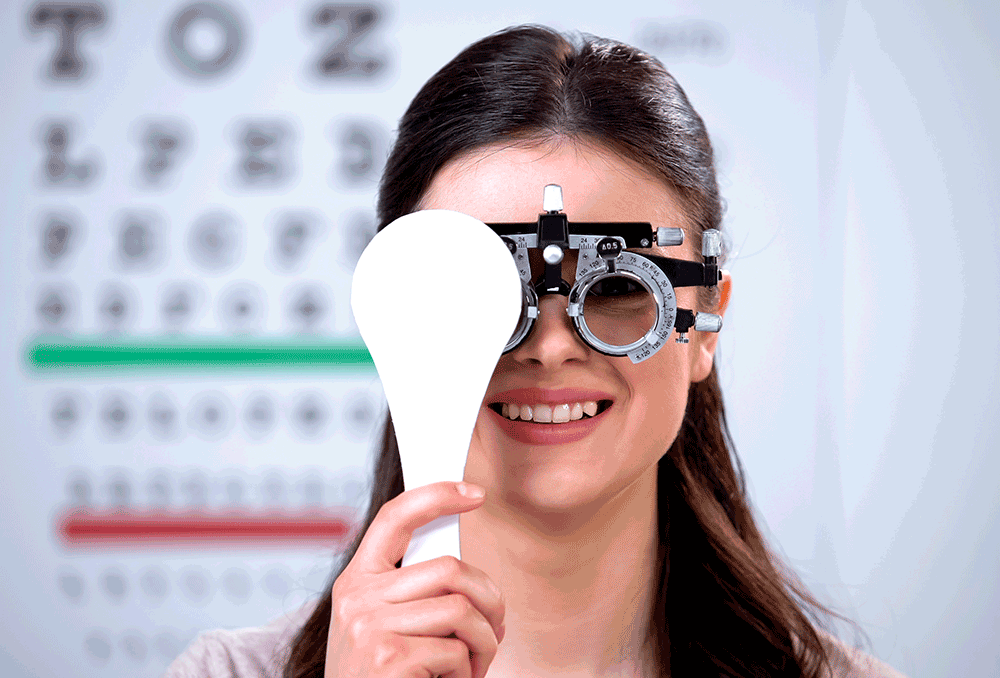
Os sintomas mais comuns, a todas as formas de blefarite, incluem descamação (aspeto de caspa), secreções no bordo palpebral, olho vermelho, prurido e ardor nos bordos palpebrais, irritação conjuntival com lacrimejo, fotossensibilidade, sensação de corpo estranho, aparecimento de chalázio, hordéolos e triquíase.

Bacterial blepharitis manifests itself bilaterally, the lid border is reddened, and with oedema or swelling. In this type of blepharitis, the symptoms related to the eyelashes mentioned above often appear.

Seborrheic or scaly blepharitis, is characterised by an excess of lipid production, especially by the meibomius glands (eyelid glands responsible for secreting the lipid part of the tear). Yellowish scales or crusts can be seen at the base of the eyelashes and a redder eyelid border.

Allergic blepharitis can arise from exposure to certain drugs, make-up, and more often of idiopathic (unknown) origin.

All types end up having similar symptoms, so it is often difficult to know the origin.

Diagnosis involves a good clinical history and the observation of external ocular aspects, namely the eyelids and eyelashes with the help of the biomicroscope (commonly known as slit lamp).

Laboratory examination of the palpebral exudate can help distinguish various pathogens by culture.

When the origin is microbial or fungal, the treatment will involve the administration of antibiotics and anti-inflammatories. In seborrheic blepharitis, good cleansing of the eyelid and the use of anti-inflammatories are normally sufficient.

In a patient with this pathology, a correct hygiene of the eyelid surface is important and should be performed at least twice a day, on waking and at night when going to bed. Moistened compresses with warm water or wipes with cleanser should be used next to the eyelashes and then dried very well. Local heat will help remove secretions.

After proper cleansing, an antibiotic and anti-inflammatory ointment can be applied to the entire surface of the eyelid, on the advice of the ophthalmologist. Additionally, artificial tears can be used to reduce discomfort and eye irritation. Systemic antibiotics or the use of corticoids may be necessary.

These are chronic, drawn-out situations that are difficult to resolve definitively.

  • Book an appointment

    Choose the subspecialty or doctor and request your appointment online.
    Book
  • Contacts

    How can we help you? Please contact us.

  • Schedule

    • Monday to Friday
      09h00 - 20h00
    • National holidays
      Closed
  • CPO App

    If you are already a CPO client, download our app to make appointments.
    Android iOS